

A Culinary Journey Across India
Dindigul
The Fiery Soul of Tamil Nadu

The Story
Born in the shadow of the ancient Rock Fort, Dindigul Biryani carries the fierce spirit of the Chettinad traders who settled in these hills. Unlike its northern cousins, this biryani uses cube-cut meat — a technique born from the region's tradition of quick-cooking over intense flames.
The star here is seeragasamba rice, a short-grain variety that absorbs spices like a sponge while maintaining its distinct bite. Each grain is kissed with the essence of kalpasi (stone flower), marathi mokku (dried flower pods), and an aggressive blend of black pepper that leaves a lingering warmth.
This is not a biryani for the faint-hearted. It's bold, unapologetic, and deeply aromatic — a true reflection of Tamil Nadu's culinary courage.
Menu Selection
Ambur
A Nawab's Legacy in Every Grain
The Story
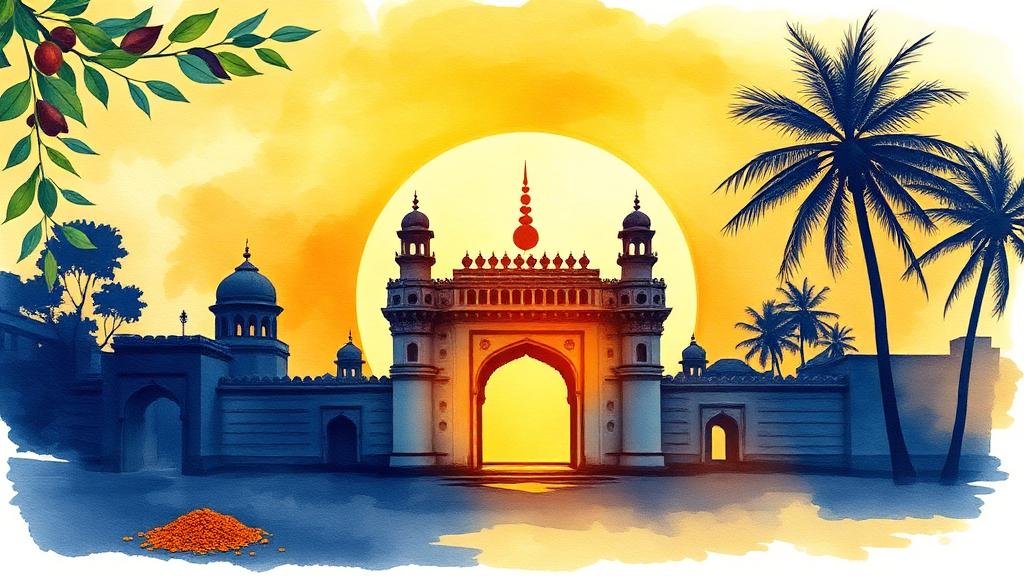
Two centuries ago, the Nawabs of Arcot brought Persian culinary traditions to this small Tamil Nadu town. What emerged was a biryani that would become legendary — Ambur Biryani, where restraint meets richness.
The preparation is deceptively simple: seeragasamba rice cooked in a meat stock so flavorful it needs nothing more than a whisper of spices. The meat, marinated in curd and a secret blend of aromatics, achieves a tenderness that dissolves on the tongue.
What sets Ambur apart is its accompaniment — the brinjal curry (kathirikai gotsu), a tangy, spicy gravy that cuts through the richness and elevates the experience. Here, tradition isn't just preserved; it's perfected with every serving.
Menu Selection
Madras
Where Coast Meets Cuisine

The Story
Chennai — formerly Madras — has always been a city of contrasts. Its biryani reflects this duality perfectly: the earthiness of South Indian spices meeting the sophistication of coastal cooking traditions.
Madras Biryani is characterized by its vibrant color, courtesy of generous amounts of tomatoes and a carefully calibrated spice blend that includes curry leaves, mustard seeds, and a touch of tamarind. The result is a biryani that's simultaneously tangy, spicy, and deeply satisfying.
The influence of the Bay of Bengal is unmistakable here. The preparation techniques echo those used for seafood, with quick, high-heat cooking that seals in flavors. It's street food elevated to an art form — unpretentious yet unforgettable.
Menu Selection
Hyderabadi
The Crown Jewel of Nizami Kitchens

The Story
In the royal kitchens of the Nizams, biryani was transformed from mere sustenance into pure artistry. Hyderabadi Biryani represents the pinnacle of this evolution — a dish so refined that it was once prepared exclusively for royalty.
The dum technique defines this style: layers of partially cooked basmati rice and marinated meat are sealed in a heavy-bottomed vessel and slow-cooked over coal, allowing the flavors to marry in a symphony of saffron, rose water, and whole spices.
Each grain of rice stands separate yet infused with the essence of the meat below. The saffron creates golden streaks through the white rice, while fried onions add sweetness and crunch. This is biryani as meditation — patient, purposeful, and profound.
Menu Selection
Lucknowi
Awadhi Elegance on a Plate
The Story
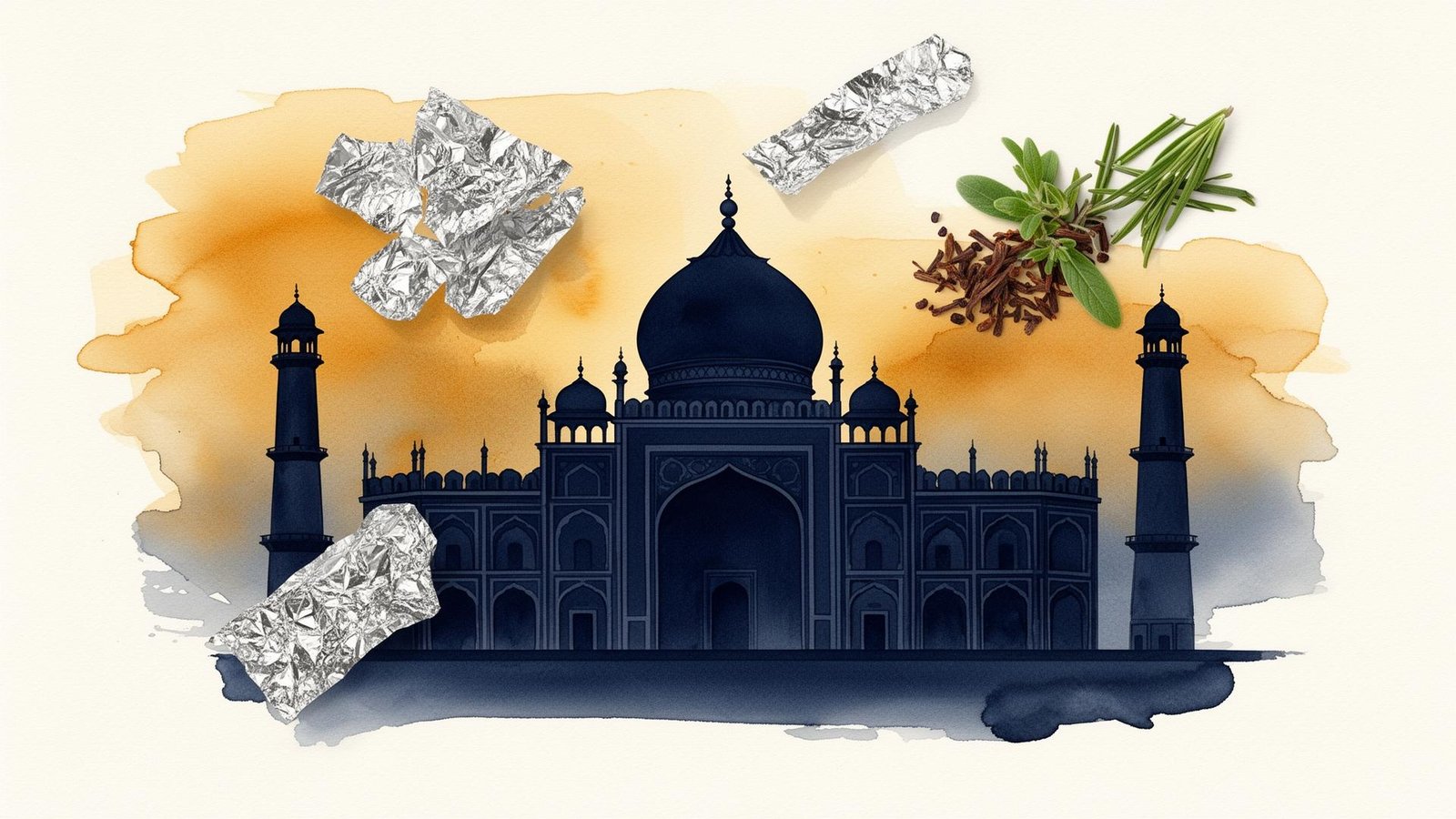
In Lucknow, subtlety is strength. The Awadhi nawabs believed that true luxury lay not in ostentation but in restraint. Their biryani embodies this philosophy — aromatic without being aggressive, rich without being heavy.
The meat is cooked separately in a spiced yogurt-based gravy until impossibly tender, then layered with rice and sealed for the dum process. The spice blend is delicate: mace, nutmeg, and just enough cardamom to perfume without overwhelming.
Kevda (screwpine) and rose water add floral notes that distinguish Lucknowi from all other styles. The result is a biryani that whispers rather than shouts — sophisticated, subtle, and supremely satisfying. This is the biryani of poets and dreamers.
Menu Selection
Thalassery
Kerala's Coastal Treasure

The Story
Where the Arabian Sea meets the lush Western Ghats, a unique biryani tradition was born. Thalassery Biryani carries the essence of Kerala's spice trade — a culinary legacy shaped by centuries of cultural exchange.
The rice used here is khyma (also called jeerakasala), a short-grain variety indigenous to the Malabar coast. Unlike basmati, it has a natural fragrance reminiscent of cumin and absorbs the coconut-kissed gravy beautifully.
The Mappila Muslim community developed this style, incorporating local ingredients like fennel, coconut oil, and freshly ground Malabar pepper. Fried onions, cashews, and raisins add layers of sweetness and texture. Each bite is a journey through Kerala's backwaters — warm, welcoming, and wonderfully complex.
Menu Selection
The Art of Appetizers
Begin your culinary journey with these exquisite preparations
Chicken
- Classic Chicken 65₹299
- Chicken Hariyali 65₹299
- Golden Chicken Lollipop₹279
- Black Pepper Drumstick₹399
- Chicken Tikka₹369
- Chicken Sheekh Kebab₹369
- Dindigul Sukka Roast₹399
- Crispy Fried Lollipop₹299
Mutton
- Mutton Kola Urundai₹319
- Mutton Sukka₹429
- Mutton Uppu Kari₹449
- Mutton Egg Roast₹419
Egg
- Onion Egg Omelette₹89
- Fried Eggs₹119
- Karandi Omelette₹89
- Egg Roast₹209
Seafood
- Fish 65₹419
- Golden Prawn 65₹489
- Fish Finger₹339
- Black Pepper Fish₹429
- Black Pepper Prawns₹499
All starters are prepared fresh to order
Sweet Endings & More
Halwa Selection
- Ashoka Halwa₹299Traditional
- Kasi Halwa₹299Traditional
- Beetroot Halwa₹249Healthy
- Carrot Halwa₹249Healthy
Beverages
- Nannari Sarbath₹59
Scan for Digital Menu
"Where Every Grain Tells a Story"
Visit Us
Address
123 Biryani Lane
Food District, Chennai
Tamil Nadu 600001
Hours
Daily: 11:00 AM - 11:00 PM
Contact
+91 82207 32323
Follow Us
@biryaniboutique
All prices inclusive of taxes • Menu items subject to availability • We use only halal meat